Conversation translator app: Meeting your European in-laws
October 19, 2026 · 8 min read · Published by Tolk

Meeting your partner's parents is nerve-wracking enough. Now add a language barrier, a formal dinner table in Rome or Warsaw, and the pressure to say something, anything, that lands the way you mean it. Cross-cultural couples in Europe typically face three to five of these gatherings each year, and the difference between stilted small talk and genuine connection often comes down to one thing: whether your words carry warmth and humor, or just technically correct vocabulary. A conversation translator app built for real dialogue can bridge that gap, capturing not just what you say but how you mean it.
The first dinner at your partner's family home
Walking through that front door for the first time, you're carrying more than just a bottle of wine. You want to impress, show respect, and somehow prove you're worthy of their child's love. The problem? You can barely order coffee in their language.
- Cross-cultural couples face 3-5 of these formal family gatherings each year, and each one presents the same challenge: how do you convey warmth, humor, and genuine interest when your vocabulary tops out at "please" and "thank you"?
- The stakes feel impossibly high. A joke that falls flat, a compliment that sounds rehearsed, a response that comes three beats too late. These small moments add up, and families notice.
- The alternative is grim. You're typing frantically into a text translator while the whole table waits, or worse, nodding along pretending you understand when you clearly don't. Both options signal disengagement, even when your intentions are the opposite.
- A conversation translator app designed for real dialogue changes the dynamic. Real-time voice translation captures not just words but how they're meant, including the teasing tone, the sincere curiosity, the cultural context that literal translation strips away.
What follows walks through the real scenarios, from the moment you arrive at the door to those late-night conversations when the formal dinner gives way to something more personal. The difference between obligation and genuine connection often comes down to whether your words land the way you mean them.
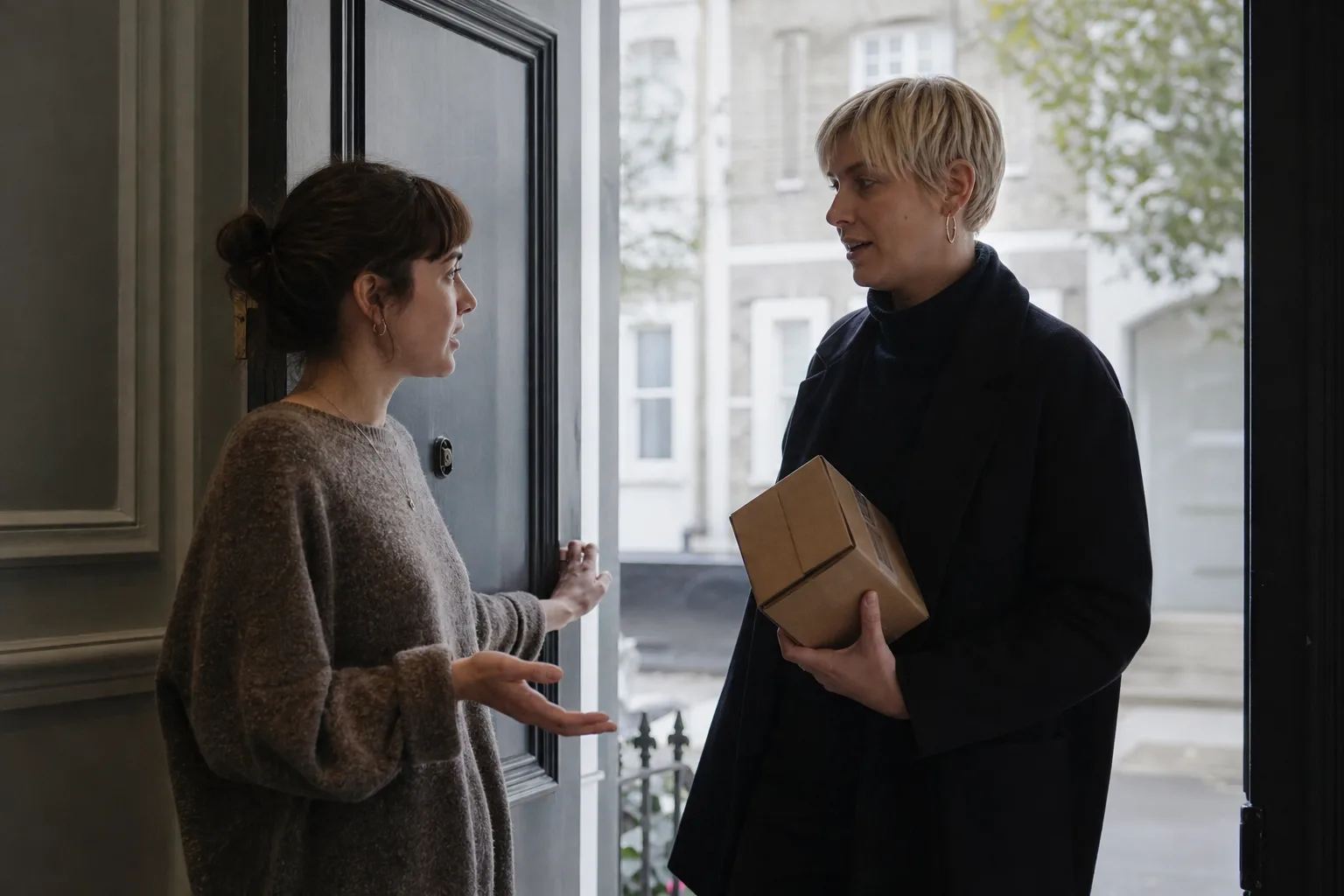
Helping in the kitchen while stories and recipes flow
The formal dinner table is one thing, but the real bonding happens in the kitchen. Your Italian mother-in-law invites you to help roll fresh pasta, or your Polish father-in-law walks you through the family pierogi technique, his hands moving with decades of muscle memory.
- 73% of miscommunication happens during exactly these unstructured moments. Dinner prep, casual chats, spontaneous kitchen tasks. Pulling out a phone to type breaks the natural rhythm, and suddenly you're staring at a screen instead of watching how she folds the dough.
- A hands-free translator changes everything here. Hands stay busy kneading, folding, stirring. Eye contact stays intact. The conversation flows while you actually participate in what's happening.
- Phrasebooks cover "Where is the train station?" and "I'd like the bill, please." They don't cover "Add the flour slowly, like my grandmother taught me" or "We always make these on Christmas Eve, even during the hard years."
- Voice translation during cooking creates participatory moments. You can ask follow-up questions about family recipes, laugh when something goes wrong, and absorb the stories behind the food, the ones that never make it into written recipes.
The stories grandparents tell while cooking are often the ones families remember for generations. Missing them because your hands were busy typing feels like losing something you can't get back.
Reading the room at a multi-person dinner table
Six people talking at once, plates being passed, wine being poured, and your German brother-in-law just said something that made everyone laugh. Was he teasing you affectionately or making a pointed comment about your career? The difference matters, and you have about two seconds to respond appropriately.
- Multi-generational European dinners move fast. Conversations overlap, inside jokes reference events from decades ago, and the emotional temperature of the room shifts constantly. Catching up through text translation means you're always three exchanges behind.
- Real-time voice translation that preserves tone lets you catch subtle emotional cues. A concerned inflection sounds different from genuine criticism, and that distinction determines whether you respond with reassurance or an apology.
- Voice translation apps handle European language pairs like English-German with contextual awareness that adjusts for formal versus informal address. Speaking to your partner's parents requires different register than bantering with siblings, and getting this wrong with French in-laws can signal disrespect even when your vocabulary is technically perfect.
- Knowing the emotional context helps you participate appropriately. When to laugh, when to nod seriously, when to raise your glass for a toast. These micro-decisions build rapport or erode it, and they happen constantly throughout a three-hour dinner.
The families who warm up fastest to foreign partners are often the ones who feel genuinely heard, not just linguistically understood.

Navigating gift-giving and compliments with cultural nuance
Cross-cultural gift-giving is a minefield. Too extravagant seems like showing off. Too modest seems careless. And the thank-you afterwards? That requires specific cultural phrasing that phrasebooks never cover.
Step 1: Understanding the unwritten rules
Every European culture has invisible boundaries around food and gifts. In Italian families, refusing food is insulting. In German families, excessive compliments can seem insincere or even suspicious. In Polish households, you must try everything on the table, and commenting on each dish shows respect for the host's effort.
Step 2: Moving beyond rehearsed phrases
The problem with memorized responses is they rarely fit the actual moment. Your Polish mother-in-law just handed you her grandmother's recipe book as a gift, tears in her eyes. "Dziękuję bardzo" feels thin. A voice translator app that captures what you mean lets you respond with something real, something that matches the weight of the gesture.
Step 3: Choosing words that carry emotional weight
Voice translation captures cultural context, not just literal words, so your gratitude sounds genuine rather than stilted. Saying "this reminds me of home" carries more weight than "delicious food" in most European cultures. The difference between polite acknowledgment and genuine connection often comes down to whether your words land with the right emotional register.
Step 4: Responding in real time
The moment passes quickly. Real-time translation lets you match it.
Late-evening moments when a parent wants to talk privately
The dishes are done. Your partner and siblings have drifted to other rooms. Then your partner's mother sits down beside you, her hands wrapped around a cup of tea, and the conversation shifts to something real. Her child's happiness. Your intentions. The future.
These moments are where acceptance is truly earned. A parent deciding whether you're trustworthy with their child's heart. The stakes don't get higher than this.
Free text translators fail precisely here. They strip emotional context, leaving sterile words when you need to show you understand the weight of what's being shared. A mother's voice carries concern, hope, maybe a trace of worry she's been holding back all evening. Flat text on a screen captures none of it.
Privacy matters too. European families, particularly when discussing sensitive topics, prefer voice translation apps that process conversations on-device rather than sending family discussions to cloud servers. What happens at that kitchen table stays at that kitchen table.
Many of these conversations happen in rural countryside homes where the family has lived for generations. WiFi is unreliable. Cellular data barely exists. An offline voice translator app handles these settings without interruption, capturing the specific family vocabulary around traditions, stories, and personal history that phrasebooks never cover.
The moment your partner's mother realizes you genuinely understood her, not just her words but her meaning, that's when the door opens. Everything before was introduction. This is the conversation that counts.
From awkward visitor to part of the family
The difference between surviving a family visit and building real relationships comes down to presence. Being there, truly there, in the moments that matter.
Think about what actually happens during these visits. The kitchen conversations where recipes carry decades of family history. The dinner table where six voices overlap and inside jokes fly past. The gift exchange where "thank you" needs to carry genuine emotion. The late-night talk where a parent decides whether to trust you with their child's heart.
A conversation translator app built for real dialogue changes each of these moments. Kitchen bonding stays hands-free, so you're watching the pasta fold, not staring at a screen. Dinner participation happens in real time, catching the teasing tone versus the pointed comment. Cultural nuances land correctly, your gratitude matching the weight of the gesture. Private conversations preserve what matters most, the concern in a mother's voice, the pride in a father's story.
Translation stops being a barrier and becomes a bridge. Not because the words are technically accurate, but because the meaning and tone survive the crossing.
Your partner's family will remember how you made them feel. The warmth. The effort. The genuine interest in their stories, their recipes, their worries about the future. Perfect grammar? They won't notice. Real connection? They'll never forget.
Download Tolk before your next family visit and turn nervous introductions into genuine conversations with your European in-laws.
Tolk is a Voicelabs app for face-to-face conversations. Read how Tolk works for the conversation flow, supported devices and getting started, or see what changes in Tagalog, Spanish, French, Portuguese, Japanese, Korean, Mandarin, Arabic, Thai, Vietnamese, Slovak.

Try real-time voice translation.
Start with 30 free minutes on iPhone or Android.