Offline Voice Translator Apps That Work Without WiFi 2026
September 21, 2026 · 8 min read

Your WiFi drops the moment you need directions in a Bangkok taxi. The hotel's signal dies right as you're trying to explain your seafood allergy at a street stall. We've tested which offline voice translator apps actually deliver when connectivity fails, and the results are telling. Papago quietly outperforms bigger names for Thai and Vietnamese, Google Translate now responds in under two seconds for most language pairs, and iFLYTEK's new $299 translation earbuds represent a shift toward hands-free tech that works without a signal.
The 30 minutes after landing when nothing works
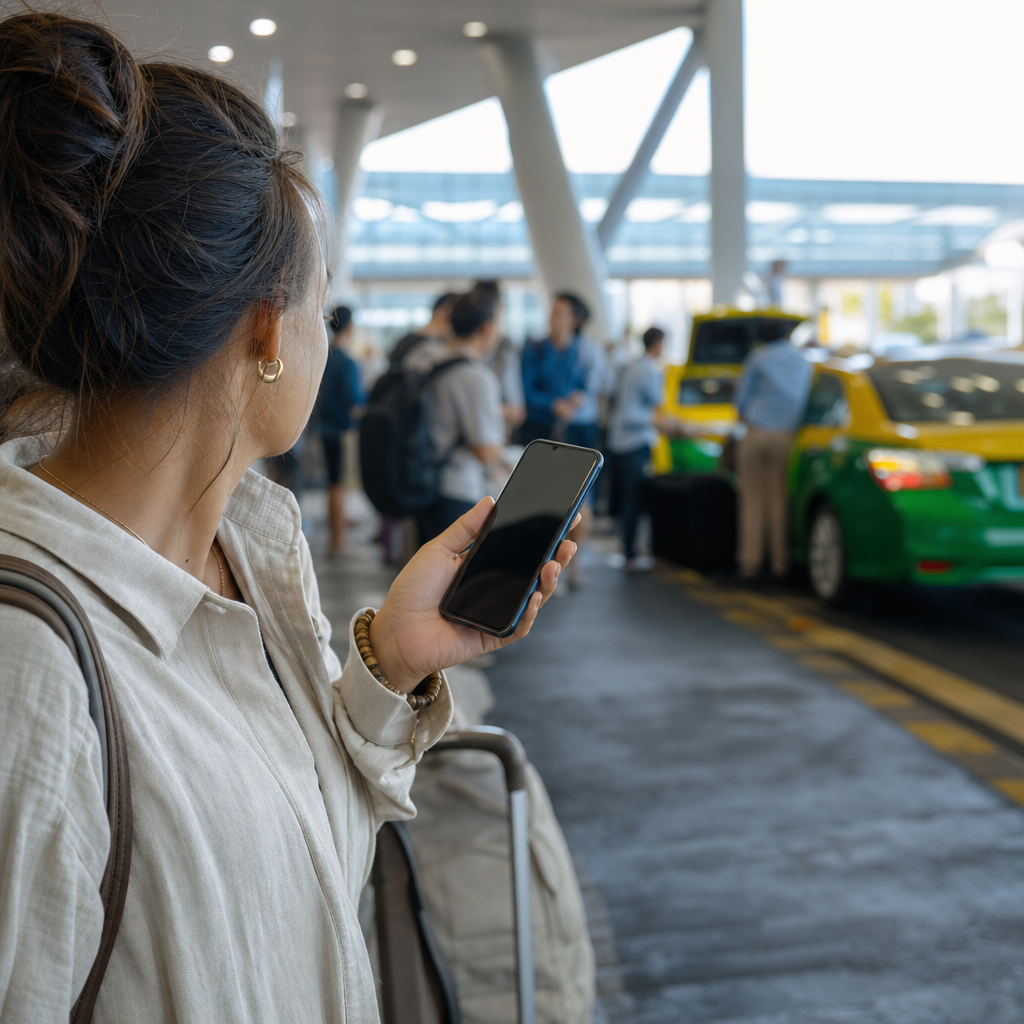
You land in Bangkok. Your SIM card needs 30 minutes to activate. The airport WiFi demands a local phone number for verification, which you obviously don't have. Your taxi driver speaks no English, and you're trying to explain your hotel is near the old town, not the tourist strip with the same name.
This is the connectivity gap. It hits nearly every traveler in Southeast Asia, that window between touching down and actually getting online. Most offline translators have significantly lower quality than online versions, but they work for essential communication when there's no other option. And in that taxi line at Suvarnabhumi or Noi Bai, "good enough" beats "no translation at all."
The travelers who handle these moments well aren't necessarily the ones with the best apps. They're the ones who downloaded language packs before leaving home. Offline mode requires those language models sitting on your phone in advance, and airport arrivals at 2 AM aren't the time to discover yours is missing.
Here's the key insight: offline translation isn't meant to be anyone's primary tool. It's emergency backup for exactly these moments. The quality gap between online and offline is real, but so is the relief of communicating your destination to a driver who's already started the meter.
This is a survival guide for those critical windows when connectivity fails across Southeast Asia.
Download before you leave: Southeast Asia language prep
Google Translate supports 133 languages with offline text translation. That number sounds impressive until you realize each language pack sits separately on your device, waiting to be downloaded. Miss the Thai pack before your flight? You're back to pointing and hoping.
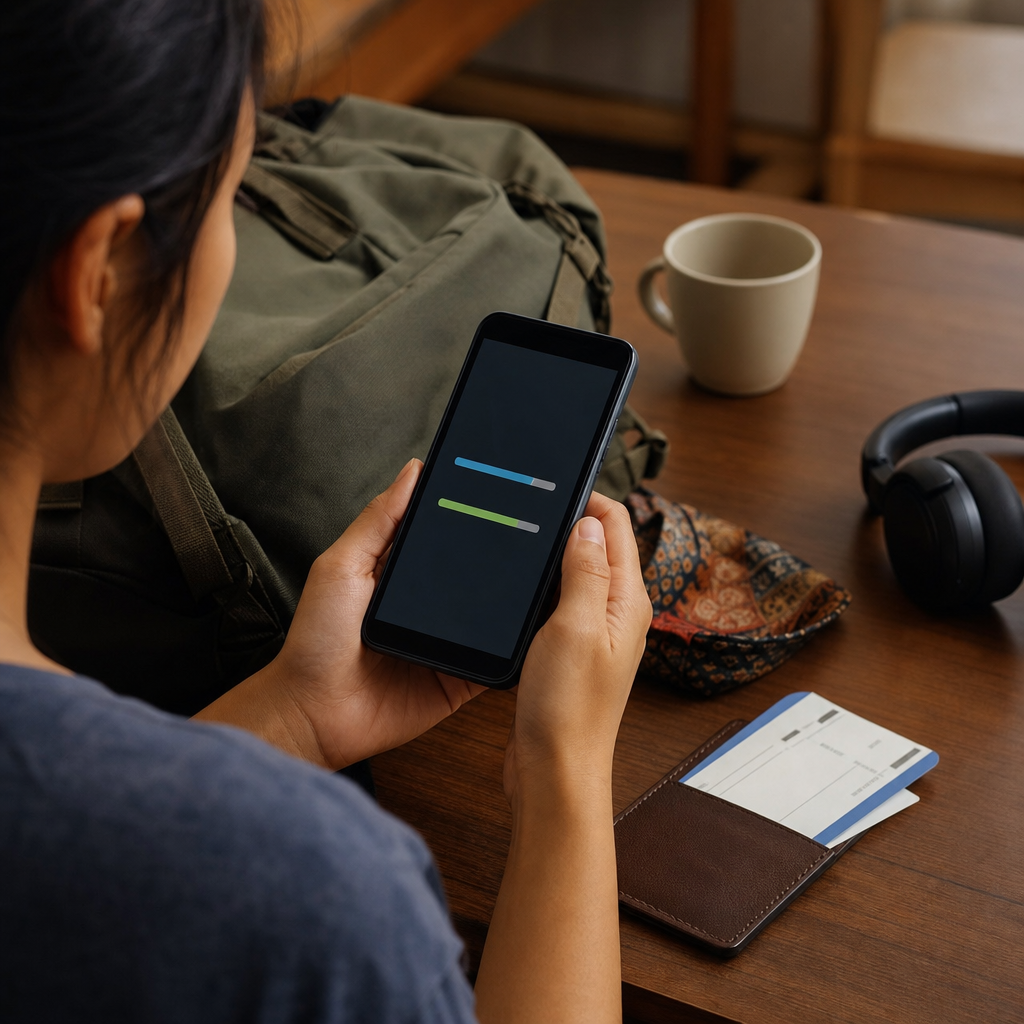
The specific downloads matter here. Thai offline packs run around 45-50MB, Vietnamese slightly larger at 50-55MB. Not massive, but large enough that some apps require WiFi specifically rather than mobile data. Travelers who try downloading at airport gates with spotty connections often find the process stalling or failing entirely.
Papago deserves attention for Southeast Asia trips. The app is specifically designed with an Asian-first focus and often exceeds accuracy of bigger competitors for East Asian languages, with offline support that holds up surprisingly well for Thai and Vietnamese. A recent roundup of offline translation apps confirms what regular travelers already know: specialized tools often beat the big names for specific regions.
The practical checklist looks like this: download Thai, Vietnamese, and your native language at least 24 hours before departure. Do it on home WiFi, not the coffee shop network you're rushing through on the way to the airport. Test each pack once by switching to airplane mode. If translations still work, you're covered. If they don't, you'll discover the problem while there's still time to fix it.
Tonal languages offline: where Thai and Vietnamese translation breaks
Thai has five tones. Vietnamese has six. The difference between "rice" and a crude insult in Vietnamese comes down to pitch alone. Online translation handles this reasonably well because cloud servers can process the acoustic complexity. Offline mode? The reduced processing power on your phone means tone detection suffers significantly.
The gap shows up in response times too. Google Translate responds in under two seconds for most common language pairs online, but offline Thai and Vietnamese often take longer and sound more robotic. That robotic quality matters more than most travelers realize. Offline mode typically strips context awareness, so a phrase that online would register as polite becomes blunt or confusing when processed locally.
A traveler in Ho Chi Minh City learned this the hard way at a pharmacy. She needed antihistamines for an allergic reaction, typed her request into an offline translator, and showed her phone to the pharmacist. The mangled tones produced something closer to gibberish than medicine. The pharmacist's confused expression said everything. Eventually, pointing at hives and miming "itchy" worked better than the app.
The apps handling these challenges best aren't the ones trying to translate every word literally. They focus on capturing meaning instead. A voice translator that captures meaning approaches the problem differently, prioritizing what someone is actually trying to communicate over perfect word matching. For tonal languages especially, that distinction makes the difference between getting help and getting blank stares.
Real scenarios: taxi, market, pharmacy without signal
Step 1: The airport taxi standoff
The meter's running. The driver's waiting. Your phone shows no signal bars. This is where pre-loaded phrase apps prove their worth. iTranslate Voice offers offline packs with a customizable phrasebook containing 250+ travel phrases for dining and emergencies. Travelers who screenshot their hotel address in Thai script before landing skip the translation step entirely. The successful ones also type the fare negotiation phrase beforehand: "How much to Khao San Road?" sitting ready on screen.
Step 2: The rural market allergy question
Cell towers don't reach every Thai village market. Asking "Does this contain peanuts?" requires more than pointing. Offline translation handles this specific, transactional question reasonably well. The phrase is short, the context is clear, and vendors recognize the pattern. What doesn't work: follow-up questions about cross-contamination or asking which dishes are safe instead.
Step 3: The pharmacy emergency
A Vietnamese pharmacy at 11 PM, stomach cramping, no connectivity. Generic miming fails here. Successful travelers type their symptoms and medication names before the trip, saving screenshots of common ailments translated into Vietnamese. Offline apps handle "I need medicine for diarrhea" adequately. They struggle with "I'm allergic to sulfa drugs and need an alternative antibiotic."
The honest assessment: offline works for simple transactional requests. It breaks down with back-and-forth conversation or nuanced questions. One-way communication gets results. Actual dialogue requires signal.
Hardware vs apps: do offline translator devices make sense
The $299 iFLYTEK AI Translation Earbuds hit the US market in March 2026, and they represent something genuinely new: hands-free translation with an offline engine built in. No phone screen to wave around. No tapping between phrases. The tech has shifted toward invisible.
But the broader hardware market tells a different story. Budget portable translator devices flood wholesale platforms starting at $29-32, creating a saturated sub-$100 market where quality varies wildly. Some work adequately. Others produce translations that confuse more than they help.
The real problem for Southeast Asia travelers? Coverage gaps. One-way devices like the Ili Instant Offline Translator only support English to Spanish, Japanese, Mandarin, or Korean. Thai and Vietnamese don't exist on these devices. A recent comparison of offline translation solutions confirms what regular travelers discover quickly: dedicated hardware often lacks the Asian language depth that apps like Papago provide.
The earbuds category shows more promise for actual conversation. Hands-free means both parties can speak naturally instead of passing a phone back and forth. That matters when you're haggling at Chatuchak Market or explaining symptoms to a pharmacist. A hands-free translator for real conversations beats one-way phrase barking every time.
The verdict? Premium earbuds like iFLYTEK make sense for frequent travelers. Budget devices mostly don't, especially for Thai and Vietnamese. Apps remain the more versatile choice for most.
The honest truth about offline vs online translation
Here's what actually breaks when connectivity drops: response times stretch from two seconds to five or more. Tone detection, critical for Thai and Vietnamese, degrades significantly. Context learning disappears entirely, so the app treats every phrase as isolated rather than part of a conversation. The output sounds robotic because it is. Your phone's processor simply can't match what cloud servers handle.
Offline translation is your emergency parachute, not your primary communication strategy. The 30-minute bridge matters, but staying on that bridge longer than necessary costs you real conversations.
The priority for tonal language travel? Getting online fast. Local SIMs at Suvarnabhumi run about 300 baht and activate in minutes. eSIMs from providers like Airalo work before you even land. The travelers who communicate best aren't the ones with the fanciest offline apps. They're the ones who treat offline as backup and prioritize connectivity.
When signal returns, the translation approach matters more than the app's marketing. Literal word matching fails for Thai and Vietnamese. The best voice translator apps compared shows why meaning-first translation produces actual understanding instead of technically accurate confusion.
Offline gets you through the taxi line. Online, with the right approach, gets you through the conversation.
Ready to test the difference? Try Tolk free and see how meaning-first translation handles Thai and Vietnamese when you're face to face with locals.